Data Center Lighting and Backup Power: Key Requirements for AI Infrastructure
What is a data center? Learn why heat-resistant LED lighting and generator-backed trunking systems are essential for AI-driven facilities. Includes efficacy, beam angle, and DALI wiring.
TL;DR
Self-contained DALI emergency luminaires with DT1 (IEC 62386-202) compliance and LiFePO4 batteries deliver automated testing, instant fault detection, and full compliance with BS 5266 and EN 50172 — ideal for commercial buildings across Europe, the Middle East, and South America.
Table of Contents
Data Center Lighting and Backup Power: Key Requirements for AI Infrastructure
As artificial intelligence continues to expand, the data center has become the invisible engine behind every smart service. But beyond the servers and cooling systems, two often‑overlooked components—lighting and emergency power—play a critical role in keeping these facilities running 24/7.
What Is a Data Center?
At its simplest, a data center is a physical facility designed to store, manage, and distribute digital information. It houses all the computing hardware, networking gear, and support systems needed for IT operations and AI model training. Depending on the use case, data centers can be enterprise (on‑premises) or cloud‑based, with hyperscale providers like AWS, Google Cloud, and Microsoft Azure delivering resources over the internet.
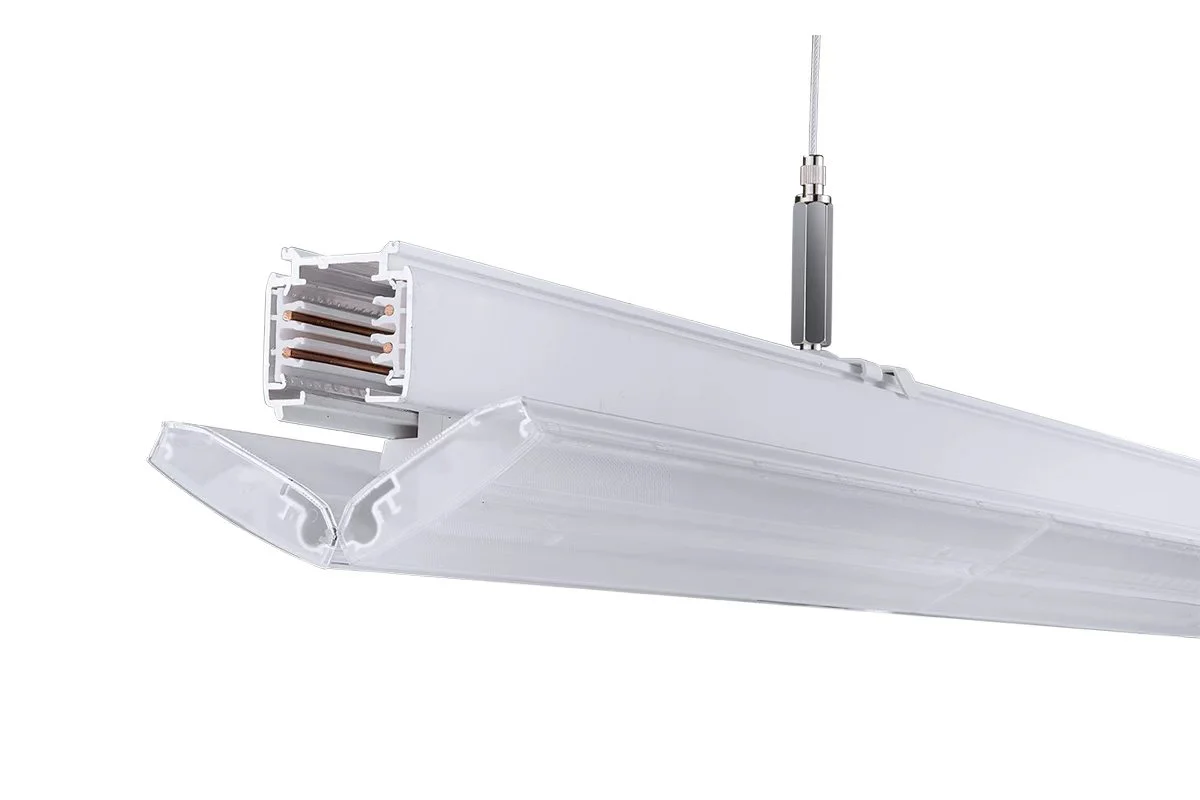
Figure 1: High‑efficiency LED trunking lighting illuminates server racks in a modern data center.
The Power and Heat Challenge
Large data centers consume massive amounts of electricity—the largest ones can draw over 3,000 megawatts. This not only impacts utility costs but also creates an extreme thermal environment. With servers running non‑stop, ambient temperatures inside the facility often reach 50°C, and lighting fixtures must withstand up to 55°C to ensure reliable operation.
FusionBrite’s LED linear lighting system is engineered with robust thermal management, making it suitable for high‑temperature environments common in data centers.
Lighting That Works Under Pressure
Data center lighting is not a standard off‑the‑shelf product. It must deliver high luminous efficacy—typically around 190 lumens per watt—to provide enough brightness for detailed maintenance work. A double‑asymmetric beam design is preferred because it directs light precisely onto the equipment racks on both sides, reducing waste and improving visibility for technicians.
Our T‑LINE track linear light offers multiple beam angle options, including double‑asymmetric optics ideal for data center aisles.
Backup Power and Trunking Systems
Perhaps the most critical requirement is power continuity. During a utility outage, backup generators and UPS systems must keep both servers and lights running. This means the lighting system must be directly connectable to the generator. In modern LED linear trunking systems, the track can be equipped with 5‑wire, 8‑wire, or 12‑wire configurations. These extra conductors not only support DALI dimming controls but also provide dedicated lines to draw power from the generator—ensuring illumination stays on when the main grid fails.
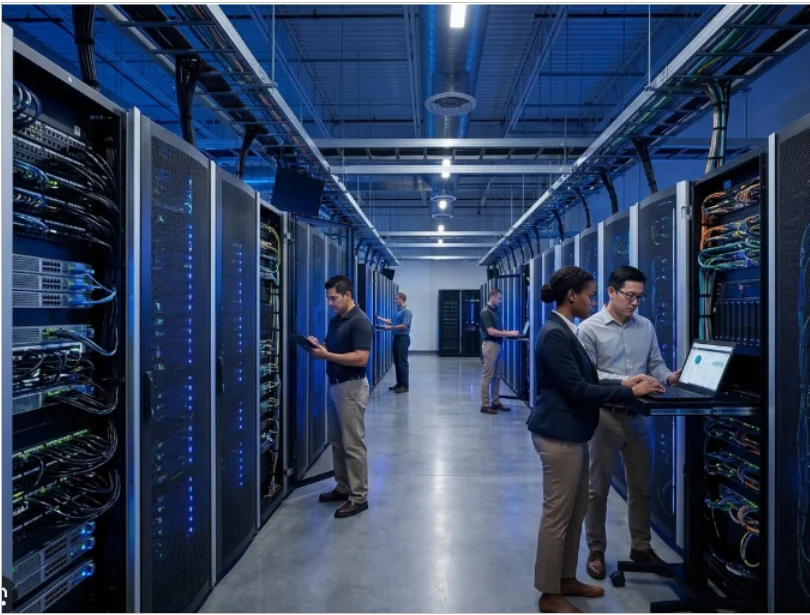
Figure 2: Generator‑ready trunking with multi‑wire configuration ensures uninterrupted lighting during power outages.
For more on thermal management and backup integration, read our guide to industrial LED lighting (coming soon).
Final Thoughts
Designing a data center requires looking beyond compute and storage. Heat‑tolerant, high‑efficiency luminaires and generator‑ready trunking are just as essential. As AI workloads grow, these infrastructure details will separate reliable facilities from those that risk downtime. For your next project, prioritize lighting and backup as core engineering decisions—not afterthoughts.
Ready to specify data center lighting?
Contact our team for a free DIALux simulation and custom product specification tailored to your facility’s thermal and power requirements.
Images are for illustrative purposes. Actual products may vary.
Frequently Asked Questions
What is DALI DT1 compliance for emergency lighting?
DALI DT1 (IEC 62386-202) is a standardized protocol for self-contained emergency luminaires. It enables automated function and duration testing, individual fixture monitoring, and centralized status reporting — ensuring cross-manufacturer compatibility and compliance with BS 5266 and EN 50172.
Why choose LiFePO4 batteries for emergency lighting?
LiFePO4 (lithium iron phosphate) batteries offer 7–10 years lifespan, 2000+ charge cycles, no memory effect, and no toxic cadmium. They outperform traditional NiCd batteries and align with EU Battery Directive phase-out of cadmium-based chemistries.
Which regions does FusionBrite serve with emergency lighting solutions?
FusionBrite provides DALI emergency lighting solutions for commercial and industrial projects across Europe, the Middle East, South America, and Asia — with compliance to local fire safety codes including BS 5266 (UK), EN 50172 (EU), and EN 12464-1:2021.
FusionBrite Team
LED lighting specialists with 10+ years of experience in commercial and industrial projects across Europe, the Middle East, and South America. Certified to ISO 9001, with products compliant with CE, ENEC, UL, and DLC standards.
Specify DALI Emergency Lighting for Your Next Project
Get a free DIALux simulation and product specification tailored to your facility. Compliant with BS 5266, EN 50172, and local codes across Europe, the Middle East, and South America.
Get a Free Quote